
|
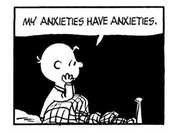
Anxiety is a normal human, if unpleasant, response to all sorts of situations and it can affect us all in different ways and at different times. It is an instinctive internally driven response which usually subsides once the cause of the anxiety has passed. Stress comes and goes as the external factor causing anxiety (be it a work, relationship or money problems, etc.) However, whilst stressors are often time limited, anxiety is something that can persist. Sometimes a cause may be apparent for an individual's anxiety but very often the sufferer is very unclear exactly why they are feeling anxious. Constant / recurrent anxiety can have a major impact on a person's day-to-day life.
|
|
|
Some of the most common physical symptoms of anxiety are:
|
Some of the most common psychological symptoms (the thoughts or altered perceptions we have) of anxiety are:
|
Other Anxiety Problems:
Panic attacks - A panic attack is experienced as an unpredictable, sudden and intense attack of anxiety - often in a situation that is likely to make you anxious, but sometimes can develop in situations you may not normally expect. The feelings come on suddenly and reach a peak in 10 minutes or less. You may also feel like you are going to die, feel frightened or think you’re 'going crazy' or losing control and feel short of breath and that you are choking. The experience is relatively short lived, although some people experience repeat panic attacks.
It is a very real and frightening experience, causing intense physical symptoms. In fact about a quarter of people who go to an emergency department with chest pain thinking that they may be having a heart attack are actually having a panic attack.
Panic attacks - A panic attack is experienced as an unpredictable, sudden and intense attack of anxiety - often in a situation that is likely to make you anxious, but sometimes can develop in situations you may not normally expect. The feelings come on suddenly and reach a peak in 10 minutes or less. You may also feel like you are going to die, feel frightened or think you’re 'going crazy' or losing control and feel short of breath and that you are choking. The experience is relatively short lived, although some people experience repeat panic attacks.
It is a very real and frightening experience, causing intense physical symptoms. In fact about a quarter of people who go to an emergency department with chest pain thinking that they may be having a heart attack are actually having a panic attack.
Phobias - A phobia can develop about a variety of things. It is experienced as extreme fear about something that is not actually dangerous and which most people do not find troublesome. The nearer you get to the thing that makes you anxious, the more anxious you get ... and so you tend to avoid it. Away from it you feel fine.
Common phobias include:
Agoraphobia - a fear of going where there are other people - which can stop you from leaving the house;
Social phobia - is persistent fear of or anxiety about 1 or more social situations that involve interaction with other people that is out of proportion to the actual threat posed by the social situation
About 1 in every 10 people will have troublesome anxiety or phobias at some point in their lives.
Common phobias include:
Agoraphobia - a fear of going where there are other people - which can stop you from leaving the house;
Social phobia - is persistent fear of or anxiety about 1 or more social situations that involve interaction with other people that is out of proportion to the actual threat posed by the social situation
About 1 in every 10 people will have troublesome anxiety or phobias at some point in their lives.
Generalised Anxiety Disorder - "GAD" is characterised by excessive worry about a number of different events, associated with heightened tension. A person with generalised anxiety disorder may also feel irritable and have physical symptoms such as restlessness, feeling easily tired and having tense muscles. They may also have trouble concentrating or sleeping.
Obsessive–Compulsive Disorder - We can all be a bit "obsessive" about certain things at times, but if:
- You get awful recurring thoughts coming into your mind even when you try to keep them out. They can be words,phrases, pictures or doubts; "obsessions" which make you feel anxious,
- There are things you do over and over again, "compulsions" - that help you to feel less anxious. For instance trying to correct or ‘neutralise’ obsessional thoughts by counting, saying a special word, checking or doing a ritual such as cleaning, repeatedly.
If you have an anxiety problem which just won't go away, you may not ask for help because you worry that people might think that you are "mad". They won't. It's a common problem and it's much better to get help rather than suffer in silence.