​
  • Welcome
  • About Hathi Therapies
    • Your Therapist
    • Therapies
    • What Can I Get Help With?
  • Room Bookings
  • Appointments
  • Other Info
    • Get In Touch
    • Reviews
    • Blog
    • Resources & Helplines
    • WELL-BEING PRODUCTS
    • Improving PTSD Symptoms
CBT HATHI THERAPIES; THERAPY & WELLBEING SERVICE
  • Welcome
  • About Hathi Therapies
    • Your Therapist
    • Therapies
    • What Can I Get Help With?
  • Room Bookings
  • Appointments
  • Other Info
    • Get In Touch
    • Reviews
    • Blog
    • Resources & Helplines
    • WELL-BEING PRODUCTS
    • Improving PTSD Symptoms
​PTSD is not a sign of weakness. It is however a normal (though not inevitable) response to an abnormal situation. The symptoms can feel overwhelming but in order to overcome PTSD you can confront the problem and what happened to you, learning to accept it as a part of your past so that it doesn't continue to negatively affect your present. This process is much easier with the guidance and support of an experienced therapist
Picture
What Is PTSD?
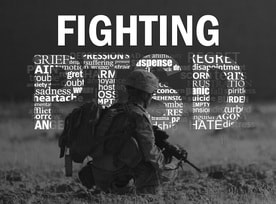
Ask For Help To Heal And Stop Fighting This Battle Alone
If you are considering getting help for problems related to your military service, an accident or other traumatic incident you have come to the right place! Helen has worked for over 18 years directly with serving personnel who have developed (amongst other difficulties) PTSD, as a result of various service-related experiences, for example: in NI, Bosnia, Iraq, Afghan etc, she has worked with soldiers in their transition to civilian life and with veterans as well as members of the Emergency Services.

​

Need Some Help With Nightmares?.....
Click here

​Some Active Steps
​To Improve Your PTSD Symptoms

See Resources Page Also
  • ​​Allow yourself to seek therapy. Don’t wait until you’re completely exhausted. Everyone’s experiences and reactions are different, even to the same traumatic event. Flashbacks, nightmares, feelings of anger, guilt, shame, depression, anxiety, tension, sweating, racing thoughts, restlessness, over-alertness, lack of motivation, pounding heart,  poor sleep, danger seeking, etc are all symptoms that will benefit from and reduce with therapy. Getting help is one of the strongest things you will do.​
  • Exercise to burn off adrenaline if you are able to. Good choices include activities that involve the large muscles, such as running, walking, swimming, weight lifting, and basketball. The benefits of exercise include reducing physical tension and stress, increasing energy, and decreasing symptoms of depression and anxiety. All in all, regular exercise will make you feel better, both mentally and physically
  • Spend time outdoors, go for a walk, potter round the garden, sit in the park​
  • Avoid isolating yourself – spend some time with friends and family
  • If you’re not working, look at becoming involved in some voluntary work or past-time, it can help you feel connected to something and to feel useful 
  • Talk to close friends or family about how you are feeling and what you need (that might be just sitting with you, listening, or doing something practical). They may not fully understand your experience and you don’t have to tell them any details if you don’t want to. But, it will help them to support you if they have some understanding about what you are feeling. Those who care want to support you. Don’t assume that others don’t want to listen. Don’t keep quiet because you don’t want to upset others, or because you’re worried about being a burden 
  • Join a support group – get in touch with one of the many veterans or other  charities – talking to others who also have PTSD can be useful 
  • Take time to rest and restore your body’s balance. That means taking a break when you’re tired and avoiding the temptation to lose yourself by throwing yourself into activities. Avoid doing anything compulsively, including exercising and working. 
  • Avoid alcohol and drugs (including nicotine). It can be tempting to turn to drugs and alcohol to numb painful feelings and memories and get to sleep. But substance abuse can make the symptoms of PTSD worse and compound your problems. The same goes for cigarettes. If at all possible, stop smoking, and seek help for drinking and drug problems.
  • Find safe ways to blow off steam. Pound on a punching bag, pummel a pillow, go for a hard run, sing along to loud music, head to the gym for a vigorous workout, go somewhere private where you can scream at the top of your lungs, or vent in your journal or to someone you trust.​Support your body with a healthy diet. Eat plenty of complex carbohydrates, such as potatoes and whole grains, to support mental clarity and physical stamina. Limit processed sugars, which can exacerbate mood swings and energy fluctuations.  
  • Try to get plenty of sleep. This can be difficult if you are suffering nightmares but sleep deprivation exacerbates anger, irritability, and moodiness. Aim for somewhere between 7 to 9 hours of sleep each night. Develop a relaxing bedtime ritual (listen to calming music, take a hot shower, watch a funny show, or read something light and entertaining) and make your bedroom as soothing as possible. Use curtains to block outside light and avoid digital clocks or electronic devices that emit light. If noise is a problem, try using a sound machine.                        Even if you still find getting a good night sleep difficult, try to take advantage of those hours to relax – our bodies do need sleep, but they also need relaxation and night time may be a great time to take advantage of relaxation techniques.  
  • Relaxation techniques can be used at anytime such as ‘mindfulness’ relaxation, tai chi, deep breathing, and progressive muscle relaxation are all powerful defensive weapons against the symptoms of PTSD. Among their many benefits, they reduce stress, ease the symptoms of anxiety and depression, help you sleep better, and increase your feelings of peace and well-being. The only catch is that you need to practice your relaxation technique of choice regularly. You practice until it’s second nature, so when the crisis comes, you’re able to act quickly and decisively.
  • (And I repeat!) Allow yourself to seek therapy. Don’t wait until you’re completely exhausted. Everyone’s experiences and reactions are different, even to the same traumatic event. Flashbacks, nightmares, feelings of anger, guilt, shame, depression, anxiety, tension, sweating, racing thoughts, restlessness, over-alertness, lack of motivation, pounding heart,  poor sleep, danger seeking, etc are all symptoms that will benefit from and reduce with therapy. Getting help is one of the strongest things you will do.
Picture
​“Recovery” is being able to move out of the mental and ‘emotional war zone’ you’re still living in and it won’t happen overnight. But, take each day as it comes and with the right support, you’ll start to see progress. As you learn how to deal with your combat stress or other traumatic incident, you’ll also be learning skills that will translate into success in the rest of your life by learning tools you can use for much more than overcoming PTSD.

You CAN begin to feel safe again, reconnect with others, deal with nightmares and flashbacks, cope with feelings of depression, anxiety, grief or guilt, and restore your sense of control.
There are several different types of treatment for PTSD including...
​
  • Trauma-Focused Cognitive-Behavioral Therapy a type of  “talking therapy” that involves carefully and gradually exploring thoughts and feelings about your experience.  Therapy may also involve identifying any potentially  distorted or irrational thoughts about the event and working together to 'restructure' the way in which the memory is stored so that memories of your experience become more story-like and feel less emotionally overwhelming on a day-to-day basis.
  • EMDR (Eye Movement Desensitization and Reprocessing) incorporates elements of cognitive-behavioral therapy with eye movements or other forms of rhythmic, left-right stimulation, such as hand taps or sounds. These are thought to work by “unfreezing” the brain’s information processing system, which is interrupted in times of extreme stress.
  • Medication is sometimes prescribed to people with PTSD to relieve secondary symptoms of depression or anxiety. While antidepressants may help you feel less sad, worried, or on edge, they do not treat the causes of PTSD.
  • Positive Resource Building is an important part of the process in either TFCBT or EMDR. Learning positive ways of coping and managing difficult feelings, maximising well-being and a healthy lifestyle supports the therapy process. ​
​If you have any questions, or would like an informal chat before deciding if this is the right help for you, call or fill in the contact form and we will give you a call.
Proudly powered by Weebly
  • Welcome
  • About Hathi Therapies
    • Your Therapist
    • Therapies
    • What Can I Get Help With?
  • Room Bookings
  • Appointments
  • Other Info
    • Get In Touch
    • Reviews
    • Blog
    • Resources & Helplines
    • WELL-BEING PRODUCTS
    • Improving PTSD Symptoms